SPS agreement negotiations: update

CFA continues to engage closely with Government on preparations for a potential SPS Agreement between the UK and the EU with the aim of easing post-Brexit trade restrictions.

Karin Goodburn established and chairs the SPS Certification Working Group (www.chilledfood.org/brexit), which comprises some 30 trade and professional organisations and meets weekly with senior officials across relevant departments and agencies. A summary of legislative divergences requiring attention in the streamlining of trade has been shared with Government officials and with the Lords EU Affairs and Commons EFRA Committees.

Concerns focus on the lack of clarity of precisely what legislation will be within the scope of the Agreement, without which planning for change is severely hindered, Government’s policy of seeking Dynamic Alignment (DA) and impacts of EU/UK regulatory divergence since the end of the Transition Period. DA means adoption of EU legislation passed since the end of the Transition Period, and on an ongoing basis, yet without full representation in its development. Divergence from EU legislation has occurred either due to EU or UK laws being changed since Brexit.

In the meantime CFA continues to compile APHA data on the cost of Export Health Certificate completion for certain exports to the EU post-Brexit remains around £3.5m per month – more than £280m since the end of the Transition Period. This is equivalent to the profit from over £14 billion in food sales, and a continued reminder of the commercial stakes involved in getting these negotiations right.

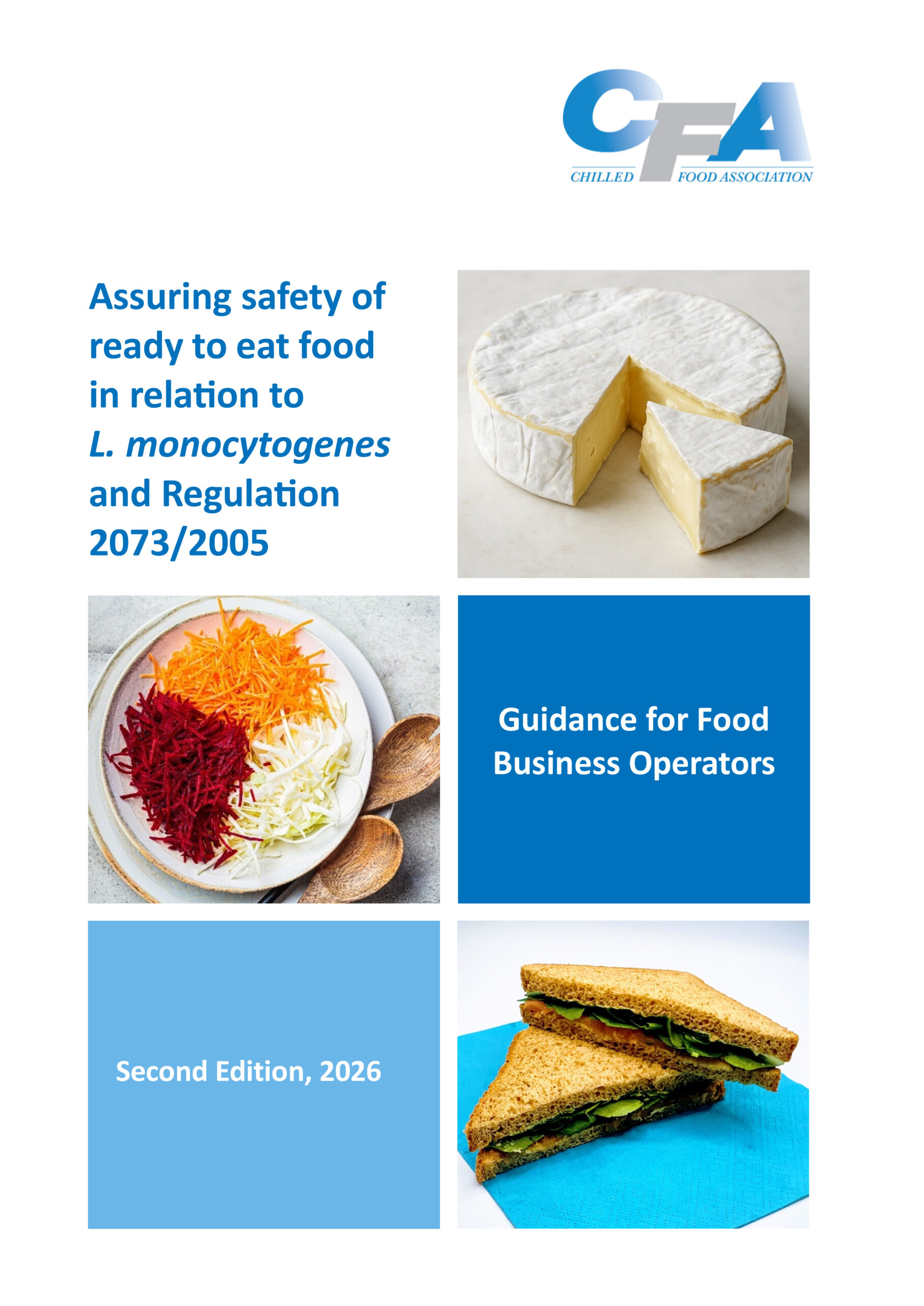
CFA-led Listeria guidance supported by FSA and FSS tops 1,500 downloads

CFA’s guidance Assuring Safety of Ready-to-Eat Food (RTE) in Relation to Listeria monocytogenes and Regulation 2073/2005 has been downloaded more than 1,500 times since its launch in January 2026 – reflecting the demand across industry, enforcement and the wider food sector for authoritative, practical guidance ahead of the change to the law on 1 July 2026 in the EU and other jurisdictions applying EU law, e.g. Northern Ireland.

This guidance is a major update of the 2010 CFA/BRC/FSA shelf life guidance and was developed by the CFA-led Industry Listeria Group in direct response to questions arising from the amendment to EU Microbiological Criterion 1.2b. A point the guidance makes clear: the 1 July change does not alter the fundamental shelf life determination requirements that have been in place under Regulation 2073/2005 for nearly 20 years. The amendment tightens the regulatory consequence where a Competent Authority is not satisfied with the basis of shelf life for an RTE food supporting the growth of L. monocytogenes – it does not introduce new methods or mandatory testing regimes. There is no change to longstanding safety or shelf life requirements.

The guidance places HACCP at the centre of food safety assurance and covers shelf life establishment and evidencing, environmental monitoring, ingredient controls, worked examples, enforcement support, and a Q&A addressing common operational and enforcement questions. It was developed with input from major retailers, trade associations, manufacturers, the Food Standards Agency and Food Standards Scotland. Copies are available here: https://bit.ly/4rtqmLI

“This vital guidance brings practical clarity to the steps manufacturers and other food business operators must take to assure the safety of RTE foods with respect to L. monocytogenes, including how to establish and evidence shelf life. It places prevention at the centre of operations – with strong HACCP, backed by good hygiene and robust prerequisite programmes.”
Karin Goodburn MBE, Chair, Industry Listeria Group, Chilled Food Association

“We welcome this updated industry-led guidance, which provides practical advice to help food businesses manage the risk of Listeria monocytogenes in ready-to-eat foods. It will support manufacturers, retailers, and enforcement officers in meeting regulatory requirements and maintaining high standards of food safety.”
James Cooper, Deputy Director of Food Policy, Food Standards Agency and Garry Mournian, Head of Policy and Regulatory Affairs, Food Standards Scotland

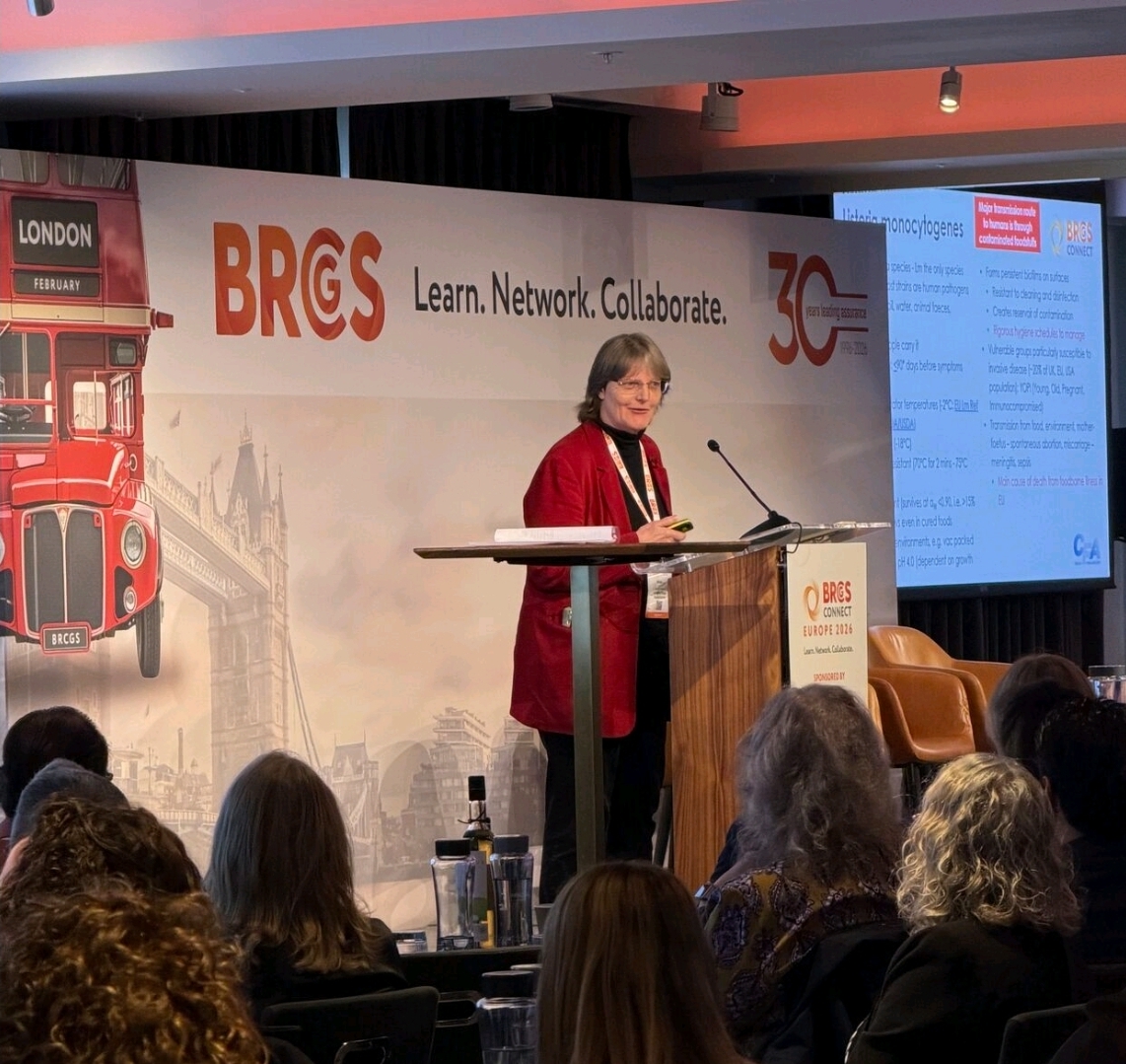
BRCGS Issue 10: CFA at the table

BRCGS certification has long been a membership requirement for CFA – and the Standard’s origins are closely linked to CFA’s own history, with the original accreditation scheme arising from the first editions of CFA’s chilled food production Guidelines in the late 1980s and early 1990s.

CFA’s Karin Goodburn has been involved in BRCGS working groups from Issue 4 through to Issue 9 and has now been appointed to the English language Issue 10 Technical Working Group – following a competitive selection process attracting more than 500 applications from around the world for the English- and Mandarin-speaking working groups. The group will meet 12 times over 12 months to develop the new Standard.

Karin’s participation provides a valuable opportunity to help shape Issue 10, with a particular focus on the risk assessment of foods produced for vulnerable groups such as hospital catering – an area where CFA has longstanding concern expertise and a direct interest in ensuring the Standard reflects current best practice. Members’ views on the Standard are welcome.

If you have comments or observations you would like Karin to take into the working group, please get in touch.